9 min read · Updated 2026-10-01
10 Benefits of Homeschooling: What Families Actually Gain
Curious about homeschooling? Explore 10 real benefits, from personalised learning to stronger family bonds, plus an honest look at what to consider before you start.
What are the benefits of homeschooling?
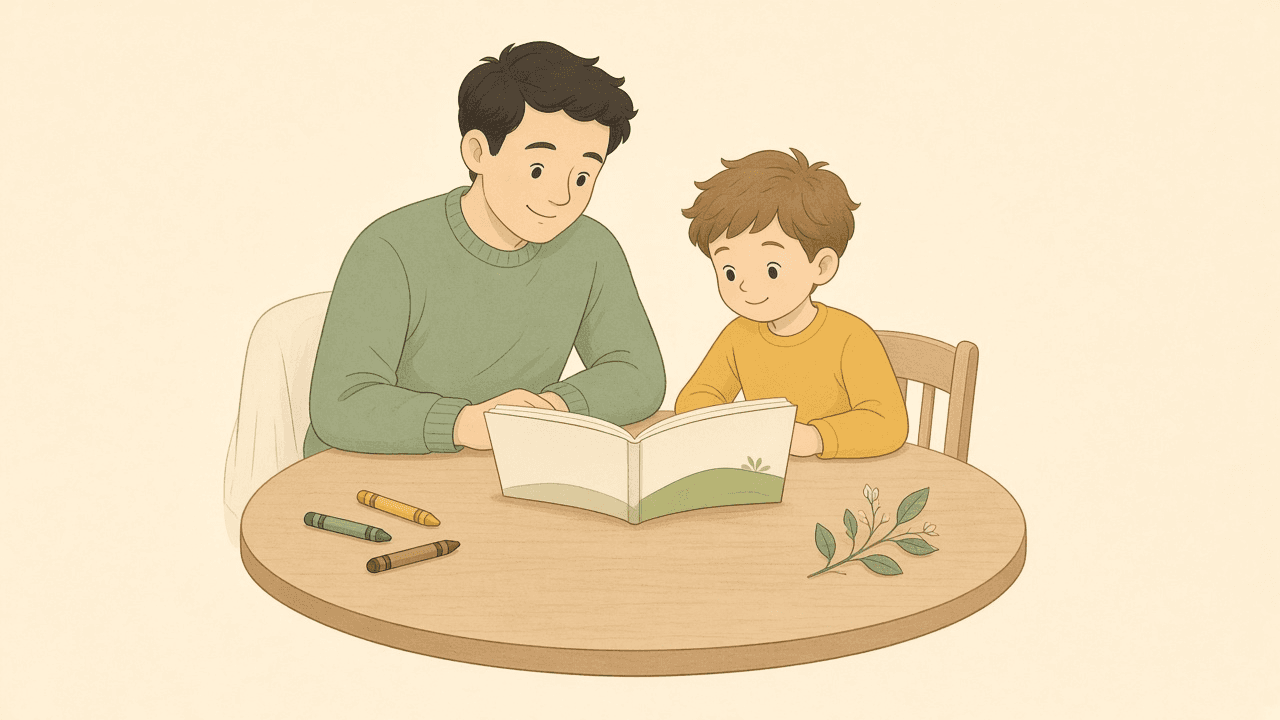
The main benefits of homeschooling are personalised learning, one-to-one attention, a flexible schedule, freedom to follow your child's interests, support for different learning needs, a calmer learning environment, stronger family bonds, and real-world social experience. Whether it's the right fit depends on your child and your family's situation.
Every parent wants the same thing: a child who learns well, feels safe and stays curious. Homeschooling is one way to get there, and more families are choosing it. In the US, about 5.92% of school-aged children were reported as homeschooled in the 2023-24 school year, compared with just 2.8% in 2019. England's home-educated population has also grown 13% in a single year.
So why are so many parents making the switch? Here are the benefits families mention most, in plain language.
1. Learning at your child's own pace
In a classroom of 25 or 30, the lesson moves at the speed of the group. Some children get left behind, and others sit bored waiting for everyone else.
At home, your child can spend three days on fractions until they truly click, or race through a topic they already understand. Nobody moves on too early, and nobody is held back. Children often become more confident when they're never made to feel "slow" or "ahead."
2. Real one-to-one attention
When a child is stuck, a parent or tutor can see it straight away and fix it on the spot. They don't have to wait for a teacher to get around to them, and they don't have to put their hand up in front of the class.
This quick feedback loop is one of the biggest reasons homeschooled kids often learn efficiently. Questions get answered while they're still fresh, and small gaps don't grow into big ones.
3. A schedule that fits your life
Homeschooling lets you build the day around your family instead of the other way around. Some families do lessons in the morning. Others start later because their teenager is a night owl, or learn in the evening because a parent works shifts.
It also makes travel and family time easier, and you can take a break when life gets hard. There's no school run, no rigid term dates, and no guilt about missing days.
4. Freedom to follow your child's interests
A child who's obsessed with dinosaurs, coding, horses or space doesn't have to wait for an after-school club. You can build reading, maths, science and writing around that passion.
Interest-led learning sticks because the child wants to know the answer. Over time, kids often discover strengths that a packed school timetable never had room for.
5. Support for different learning needs
Every child learns differently. Children with dyslexia, ADHD, autism or anxiety, and gifted children who need more challenge, can struggle in a one-size-fits-all classroom.
Homeschooling lets you change the method, the pace, the environment and the amount of sensory stimulation. You can use more hands-on activities, shorter lessons or quiet breaks without the child standing out. Many families say this is what finally brought back their child's love of learning.
6. A calmer, safer learning environment
Bullying, peer pressure and constant comparison can wear children down. Not every school has these problems, but for families who've experienced them, learning at home can feel like exhaling.
Children who feel safe are more willing to try, make mistakes and ask "silly" questions. That emotional security is the foundation for learning anything.
7. Stronger family relationships
Spending more time together isn't always easy, but it does create closeness. Parents get to see their child's "aha" moments, and children see that their parents are invested in them.
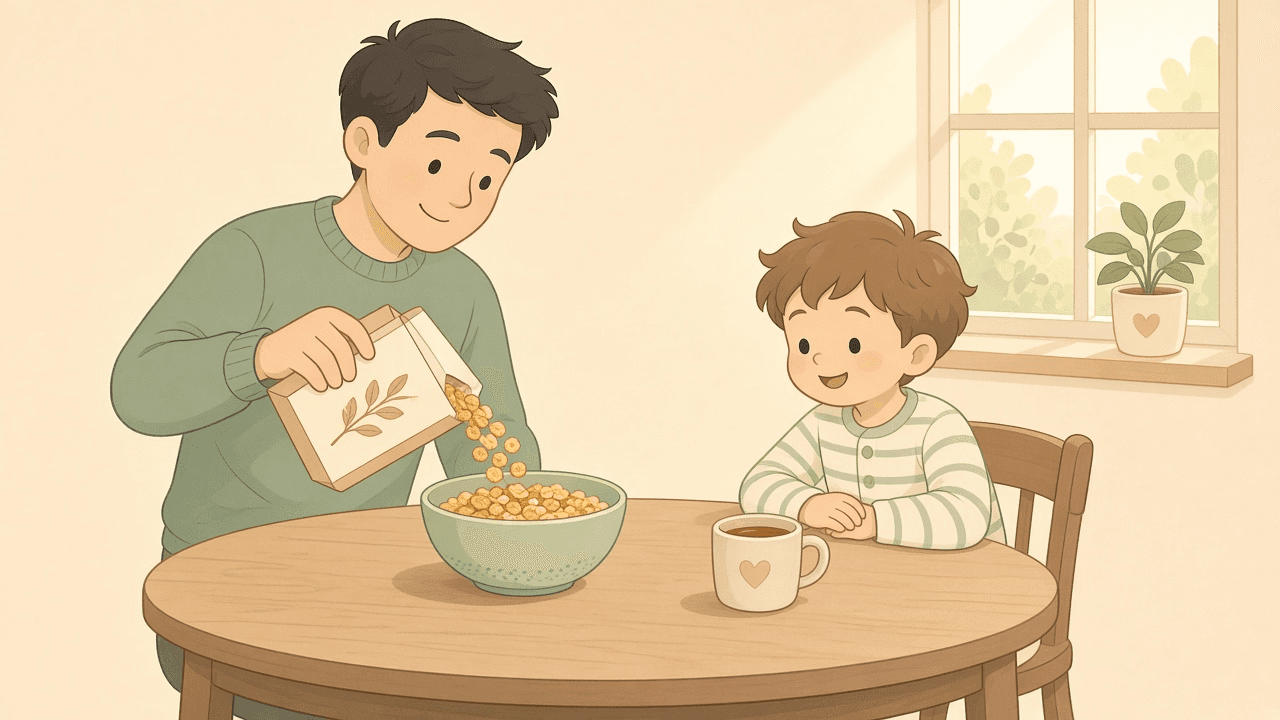
Shared reading, kitchen-table science experiments and everyday conversations build trust. Many homeschooling parents say the relationship they have with their teenagers is one of the best parts of the whole journey.
8. Social life that looks like the real world
"But what about socialising?" is the question every homeschooling parent hears. The honest answer is that homeschooled children don't socialise less; they socialise differently.
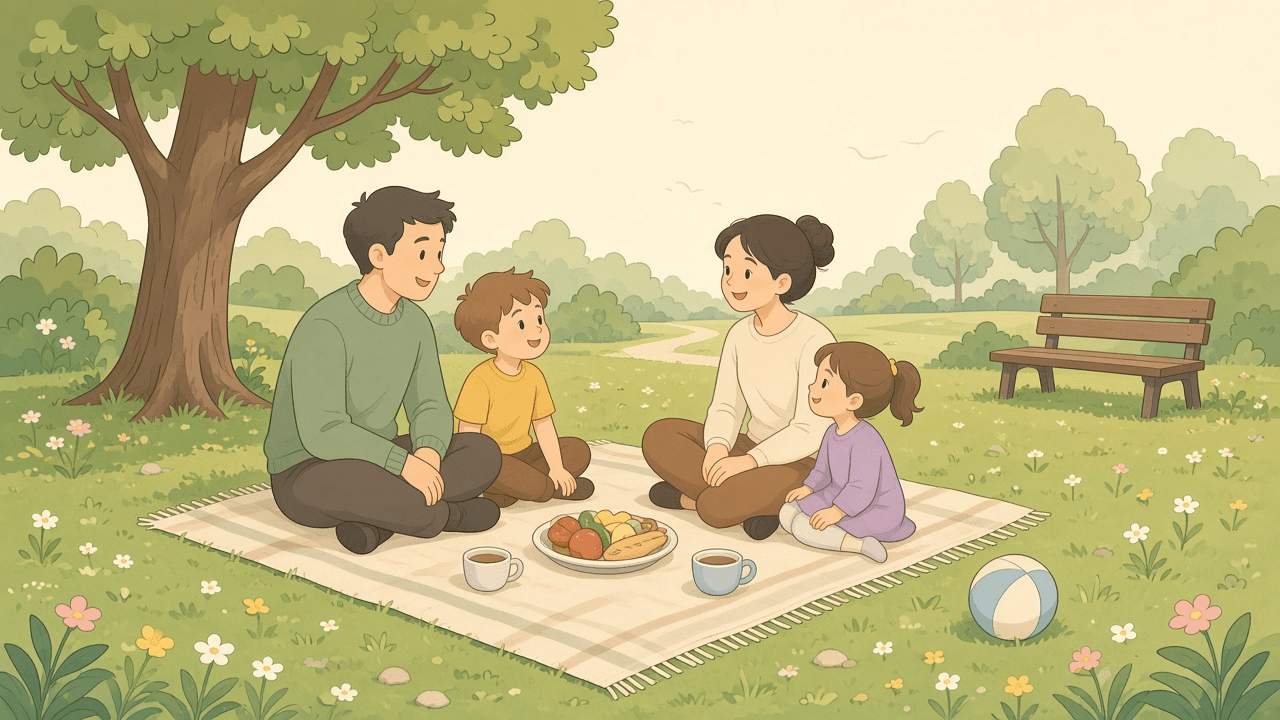
Instead of spending the day with 30 children the same age, homeschoolers mix with people of all ages through co-ops, sports teams, music lessons, volunteering, library groups, clubs and neighbours. That's closer to how adult life works. It takes some planning on your part, but it's very doable. One review of adult outcomes by homeschool researchers found no sign of social harm, noting that former homeschoolers were socially integrated and active in mainstream institutions later in life.
9. You choose what and how they learn
Homeschooling lets you pick the curriculum, teaching style and values that suit your family. You might choose a structured programme, a relaxed approach, or a blend. You can teach in your own language, add life skills like cooking and budgeting, or spend extra time on subjects schools rush through.
And if something isn't working, you can change it next week, not next year.
10. Independent, self-motivated learners
When children take part in planning their learning, they build skills school timetables don't always teach: managing time, researching, setting goals and finishing what they start. Older homeschoolers often become confident self-directed learners, which is a big advantage in college, university and work, where nobody tells you exactly what to do.
What does the research say?
The evidence is encouraging but not perfect. One systematic review found that most peer-reviewed studies showed a positive academic effect for homeschooled students, while a few showed mixed or negative results. However, researchers note that that review's author works with the National Home Education Research Institute, which is a homeschool advocacy group, and a major survey of the field points out that many studies treat homeschooling as all-or-nothing and don't account for how many years children spent homeschooled.
The fair takeaway: homeschooled children can do very well, but results depend on the family, the support and the approach, not the label "homeschooled."
A short, honest note
Homeschooling isn't all benefits. It asks a lot of parents in time, energy and sometimes money. Some families find it tiring or isolating at first, and you'll need to plan social activities and keep track of your child's progress. Rules also differ depending on where you live. None of this is a reason to avoid it, but it's worth knowing before you decide. Starting small, talking to other homeschool families and giving yourself a few months to adjust can help a lot.
Final thoughts
The best thing about homeschooling is that it lets you fit education around a real child instead of fitting the child into a system. If that sounds appealing, start by exploring your local laws, trying out a curriculum, and connecting with a homeschooling community near you. You don't need to have everything figured out on day one.
A simple first week is in how to start homeschooling.
One short activity you can finish. Then stop.
Questions parents ask
Is homeschooling better than traditional school?
Not automatically. It works best when the child's needs, the family's resources and the parent's commitment all line up. Some children thrive at home, and others do better in a school community.
Do homeschooled children get into university?
Yes. Many universities worldwide accept homeschooled students, though requirements differ by country and institution. Check the entry rules for the places your child may apply to.
How many hours a day do you need to homeschool?
Far fewer than a school day. Without assemblies, transitions and waiting, many families find focused learning takes only a few hours, especially for younger children. It varies by age and approach.
Is homeschooling legal everywhere?
No. Laws vary widely between countries and even between states or regions. Always check your local requirements before you begin.
Can working parents homeschool?
Many do, using flexible schedules, co-ops, tutors, online classes or shared teaching with a partner or relative. It takes planning, but it isn't impossible.
Further reading
Outside sources if you want a second adult voice. Early Homeschool is not those organisations, and they are not us.
Do one of these today
- Let's Read the Pictures
Age 3 · 20 min
- Let's Count the Spoons
Age 3 · 10 min
- Let's Set One Place
Age 4 · 10 min
More short reads in Guides.