
9 min read · Updated 2026-09-26
How to practice letters at home without a worksheet pile
Practice letters at home with packets, names, air writing, and print already in the house. Start with their name. Worksheets are optional.
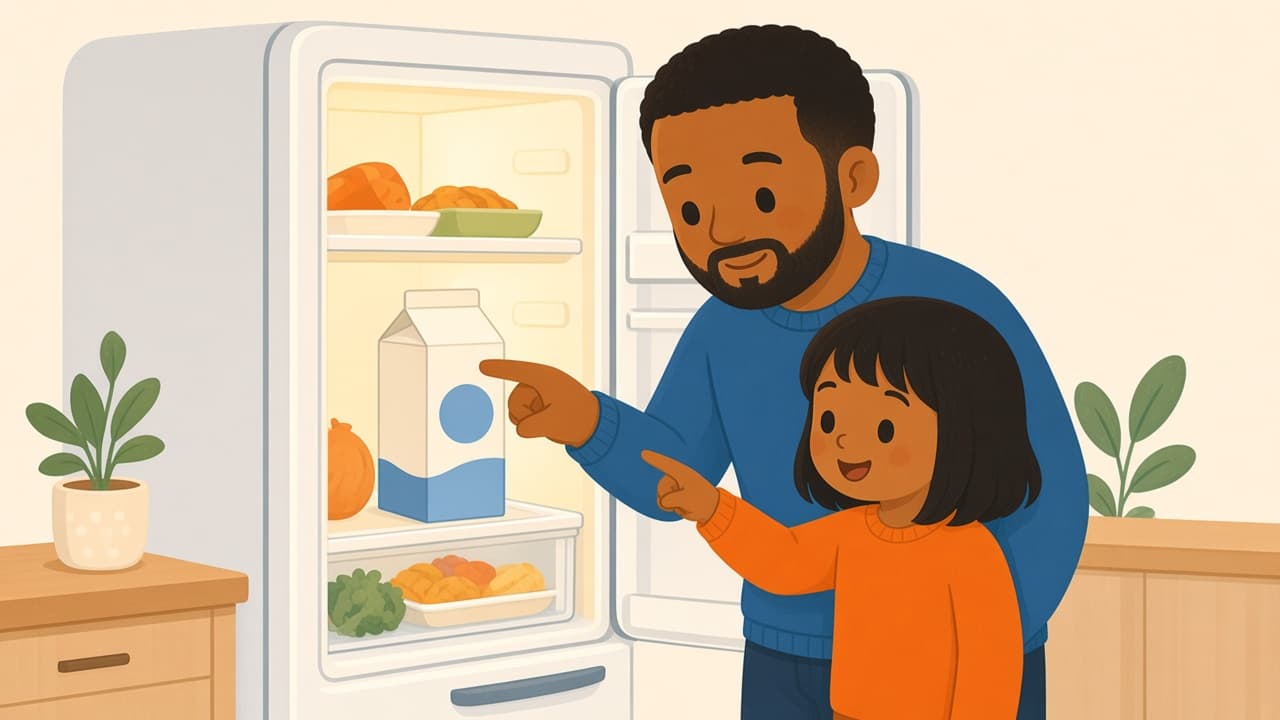
Do a letter sit without a pack
- Start with the first letter of their name. It is the most interesting word they own.
- Hunt that letter on a cereal box, bag, or door sign.
- Write it huge in the air with a whole arm, or trace it in flour.
- At 5–6, add first sounds (soap, spoon, sock) before more writing.
- If you want paper, print one name or letter page, then stop.
Print in the house is the worksheet
You can practice letters at home without a worksheet pile by using packets, names, air writing, and real print already in the house. Start with their name. It is the most interesting word they own.
The dotted A’s look like school. The cereal box actually is school, if you are willing to look at it that way.
Children learn letters by seeing them in the world and playing with sounds, not by filling a line until their hand hurts. Reading Rockets on early literacy is a clear parent-facing overview. If your child avoids homework, that is useful information. Switch the job.
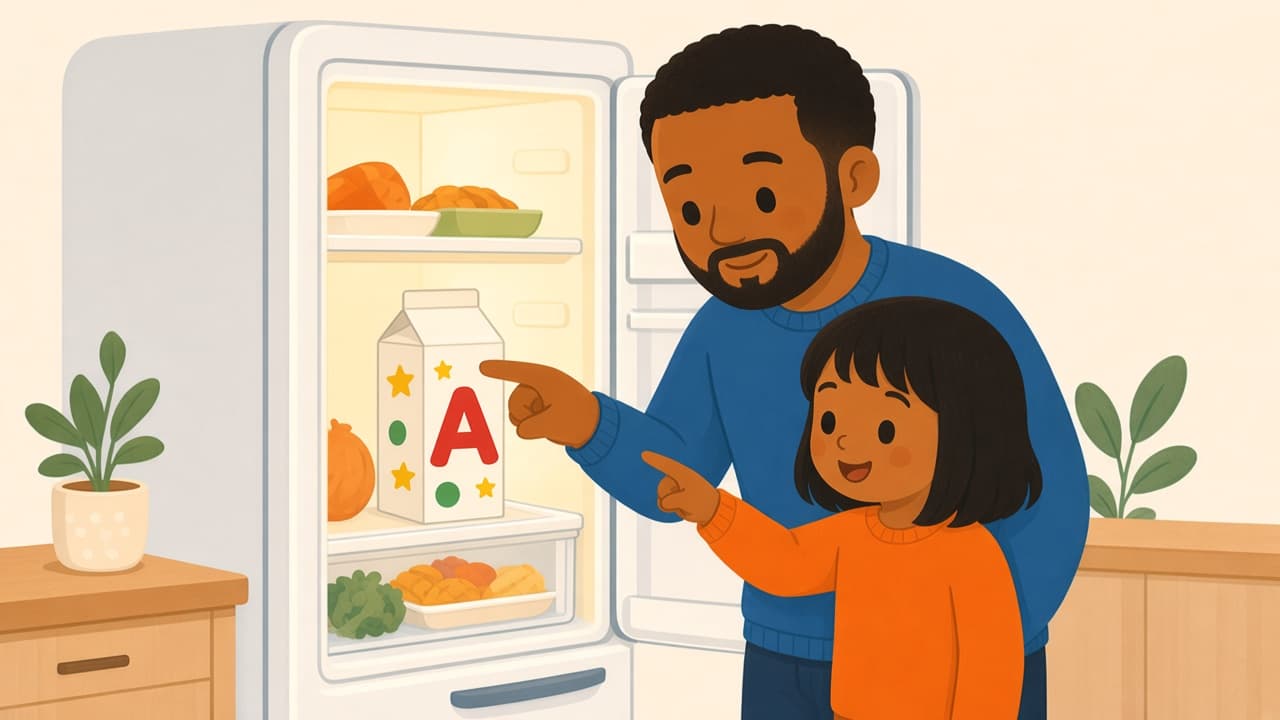
Age 3–4: notice and play
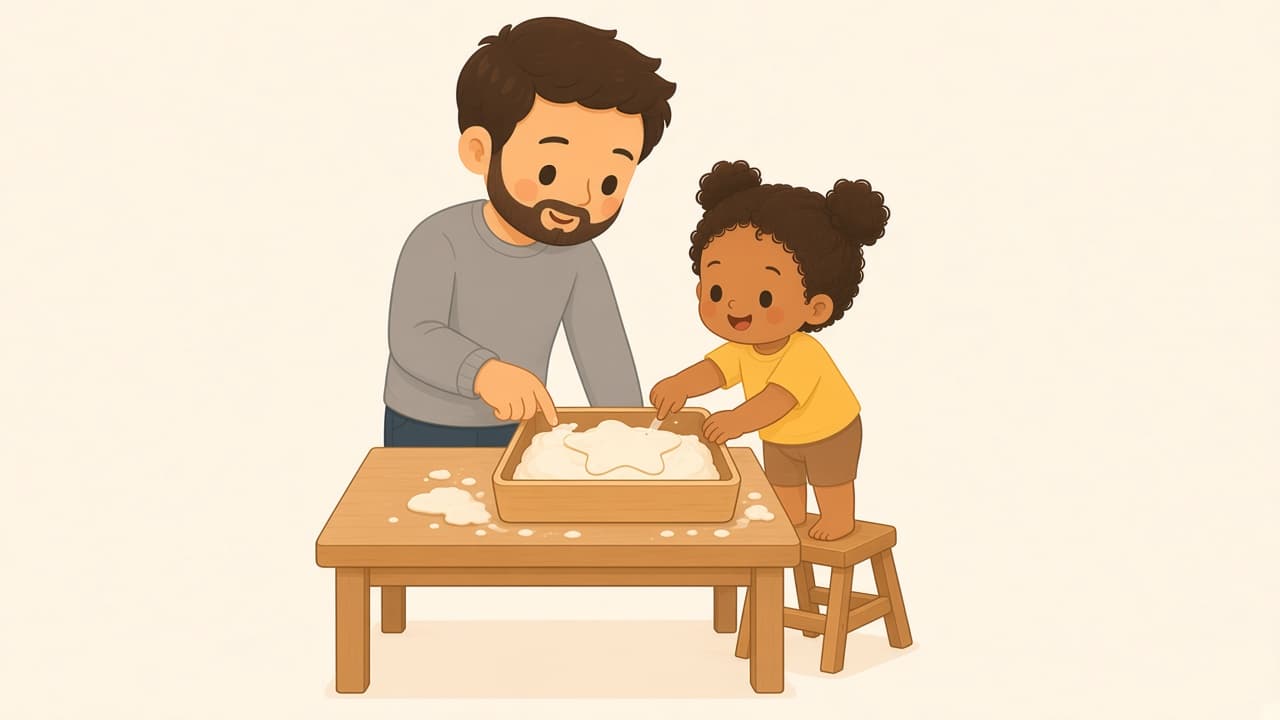
Hunt for the first letter of their name on a cereal box. Write the letter huge in the air with a whole arm. Trace a line in flour on a tray. Stop while they still like it.
b and d getting mixed up is common. It usually sorts itself with time and more print, not with scolding.
Age 5–6: sounds, then writing
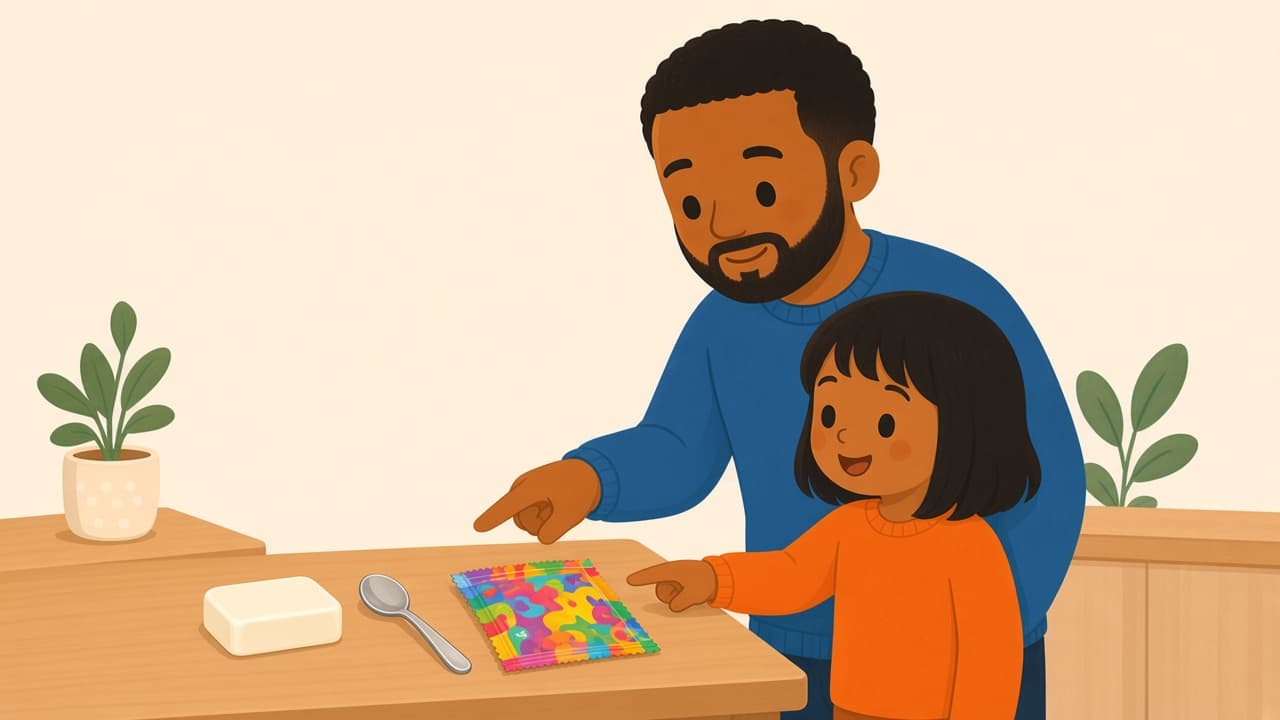
Listen for first sounds. Soap, spoon, sock. Then look for the letter on packets.
Magnetic letters on the fridge are useful if you already have them. If you do not, paper labels on two real objects (door, cup) do the same job.
When they write, let invented spelling exist. A tiny real list (three things for the park) beats a page of copywork they did not choose.
Age 7: words that do work
Build a word family. At, cat, hat, mat. Write a three-step how-to for a snack they already know. Read a tiny recipe together.
Writing is clearer when it is for someone, or for a job.
What this is not
This is not a reading diagnosis. It is not a promise that your child will read by a certain birthday.
If you are worried about hearing, vision, or language, talk to a professional who can actually see your child. Early Homeschool’s job is the next ten minutes, not a label.
If you still want one sheet, keep it short: personalized name tracing or handwriting practice.
Optional paper. One A4 sheet, then put the pencil down.
Questions parents ask
How do I practice letters at home without worksheets?
Use print already in the house: names, packets, air writing, and flour. Children learn letters by seeing them in the world and playing with sounds.
What if my child mixes up b and d?
That mix-up is common at 3–6. It usually sorts itself with time and more print, not with scolding.
When should we start writing letters?
Big motions can start early. Formal pencil pages wait until interest and grip are ready. Invented spelling on a tiny real list beats a page of copywork they did not choose.
Is this a reading diagnosis?
No. If you are worried about hearing, vision, or language, talk to a professional who can actually see your child. Early Homeschool’s job is the next ten minutes, not a label.
Further reading
Outside sources if you want a second adult voice. Early Homeschool is not those organisations, and they are not us.
Do one of these today
- Let's Hunt for a Letter
Age 4 · 20 min
- Let's Trace My Name
Age 4 · 20 min
- Let's Build Word Families
Age 6 · 20 min
More short reads in Guides.